PREHOSPITAL EMERGENCY CARE; RESPIRATORY EMERGENCY.
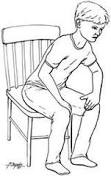 |
| Sitting in Tripod position shows the person had a brathing difficulty |
There are many conditions that cause the patient to experience signs and symptoms of difficulty in breathing. Even though the disease processes are different, the assessment and emergency care are basically the same. It is not your responsibility to diagnose the condition or disease causing difficulty in breathing; however, you can identify the signs and symptoms, determining whether the breathing is adequate or inadequate, antecipating deterioration in the patient's status, and providing immediate intervention as necessary.
Asthma
Asthma is a common respiratory condition where patient will complaint of severe shortness of breath. Many asthma patient are aware of their condition and have medication to manage the disease. Usually patient will call an ambulance maybe because of the patient itself is suffering an early-onset asthma attack or one in which the patient's medication is not reversing the attack
 |
| Comparison between normal person and asthmatic bronchiole patient |
Asthma is characterized by an increased sensitivity of the lower airways to irritants and allergens, causing bronchospasms, which is a diffuse, reversible narrowing of the bronchioles and inflammation to the lining of the bronchiles. The following:
- Bronchospasm (constriction of the smooth muscle in the bronchioles)
- Edema (swelling) of the inner lining in the airways
- Increased secretion of mucus that causes plugging of the smaller airways
 |
| Anatomy of Asthma Attack: Conditions contributing to air flow resistence in asthma |
Asthma patients usually suffer acute, irregular, periodic attacks but between the attacks usually have either no or very few signs or symptoms.
A prolonged life threatening attack that produces inadequate breathing and severe signs and symptoms is called Status Asthmaticus.
Status Asthmaticus is a severe asthmatic attack that does not respond to either oxygen or medication. Patients in status asthmaticus require immediate and rapid transport to hospital
There are generally two different kinds of asthma:
1. Extrinsic asthma (allergic asthma)
-usually results from a reaction to dust, pollen, smoke or other irritants in the air.
-typically seasonal, occurs most often in children and may subside after adolescence.
2.Intrinsic asthma (nonallergic asthma)
-most common in adults
usually results from infection, emotional stress or strenous exercise.
In asthma, the smaller bronchioles have a tendency to collapse when the lungs recoil; therefore, exhalation is much more difficult and prolonged, and air becomes trapped in the alveoli. Because of this, wheezing is heard much earlier upon exhalation. The patient is forced to use energy not only to breathe in but also to eliminate the air from the lungs during exhalation. Thus, exhalation becomes an active process requiring energy that leads to increased breathing workload and eventual exhaustion. Respiratory depression or arrest may shortly follow in severe cases. The loss of wheezing may be an ominous sign of severe bronchoconstriction and deterioration.
Assessment
Signs and symptoms of asthma:
- Dyspnea (shortness of breath); may progressively worsen
- Nonproductive cough
- Wheezing on auscultation (typically expiratory)
- Tachypnea (breathing faster than normal)
- Tachycardia (increased heart rate beyond normal)
- Anxiety and apprehension
- Possible fever
- Typical allergic signs and symptoms; runny nose, sneezing, red or bloodshot eyes, stuffy nose
- Chest tighness
- Inability to sleep
- Spontaneous peripheral oxygenation (SPO2) < 95% before oxygen administration
The following signs indicate an extremely severe condition with inadequate breathing. Begin positive pressure ventilation with supplemental oxygen:
- Extremely fatigue or exhaustion; the patient is too tired to breathe
- Inability to speak
- Cyanosis(bluish coluration) to core of the body
- Heart rate > 150 per min or slow rate
- Quiet or absent breath sounds on auscultationof the lungs (Silent Chest)
- Tachypnea (respiratory rate > 32 breaths per minute)
- Excessive diaphoresis
- Accessory muscle use (neck, chest, abdomen)
- Confusion
- SPO2 <90% with patient on oxygen


